🚚 Limited free delivery on orders over $120*
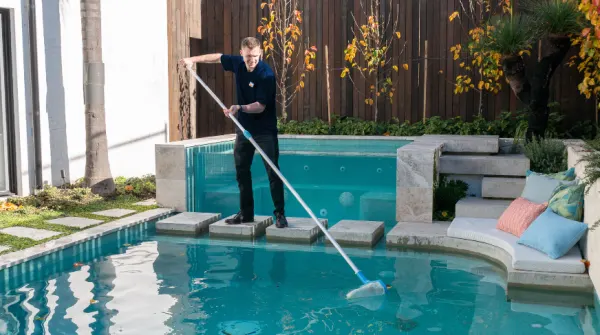
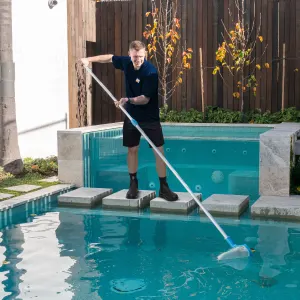
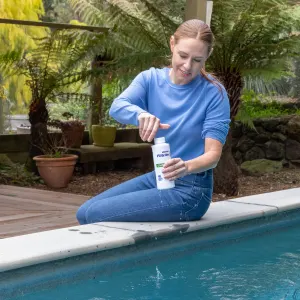
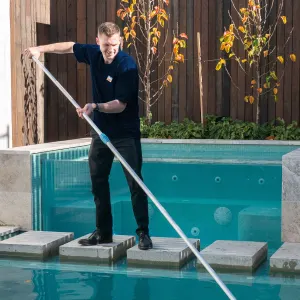
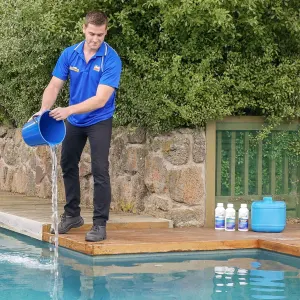
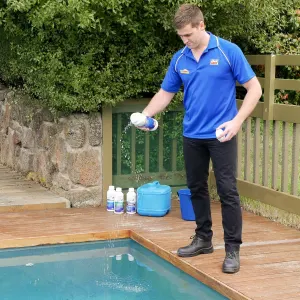
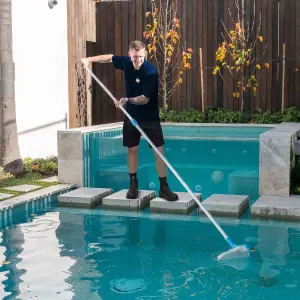
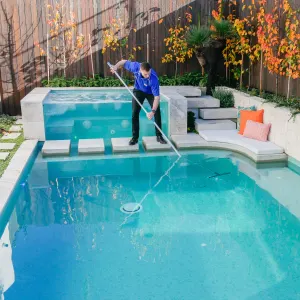
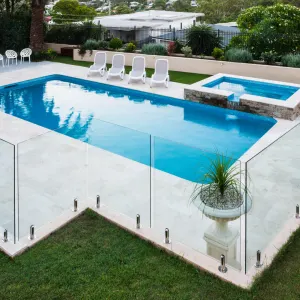
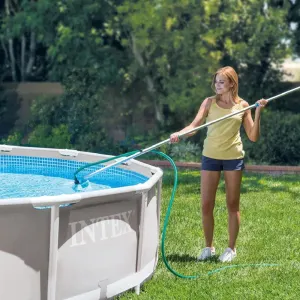
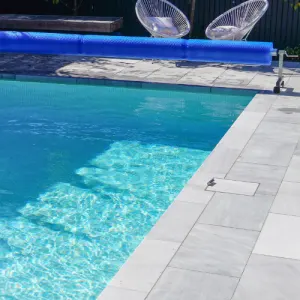
We offer a great range of services to look after your pool and keep it crystal clear all-year-round.
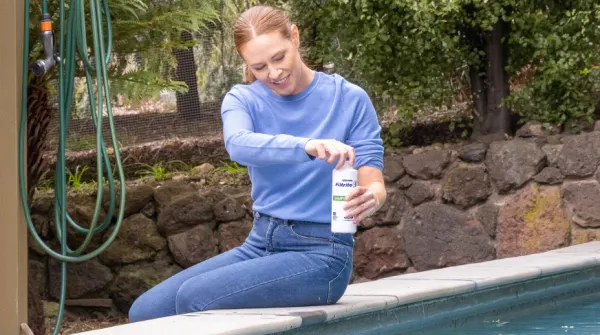
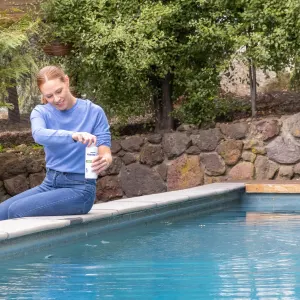
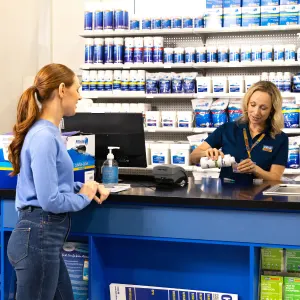
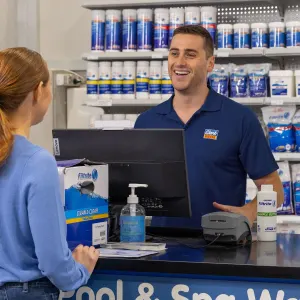
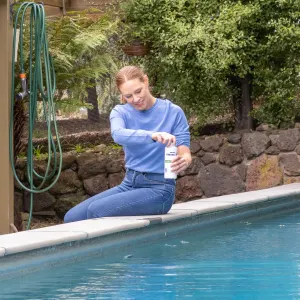
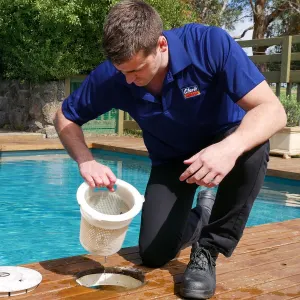
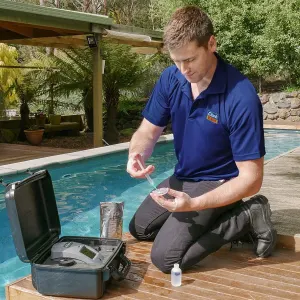
Bring a sample of your pool water into store in a clean bottle and our team will test it for several key factors.
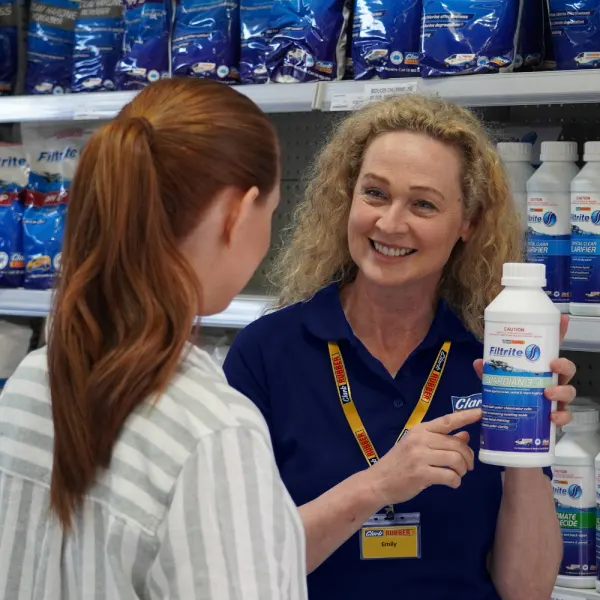
Our Superstores have everything you need to keep your pool or spa in top condition so you can enjoy it for longer.
Explore our blog for expert tips and advice on keeping your pool and spa in top condition.
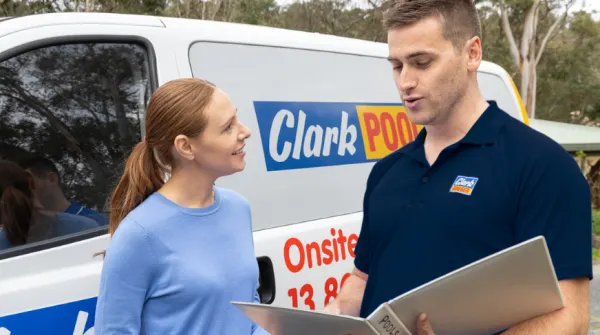
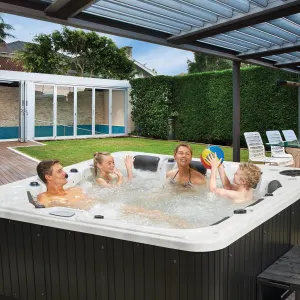
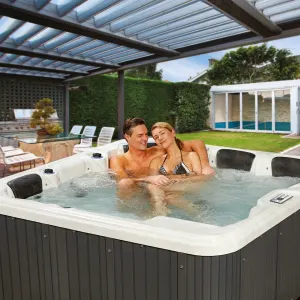
With our spa experts, it’s easy to keep your spa clean, in good working order, and always ready to relax in.
Bring a sample of your spa water into store in a clean bottle and our team will test it for several key factors.
Our Superstores have everything you need to keep your spa in top condition so you can enjoy it for longer.
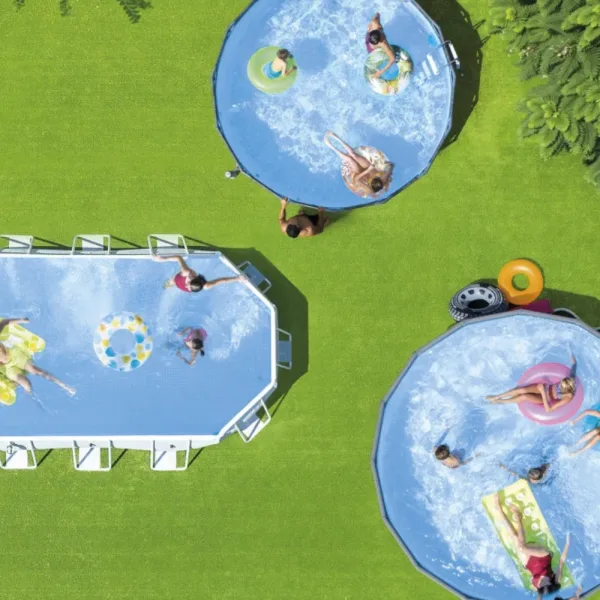
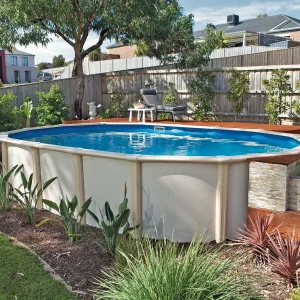
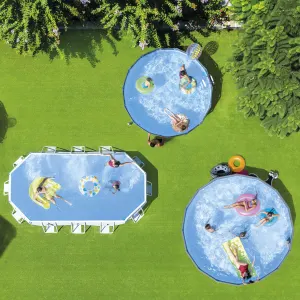
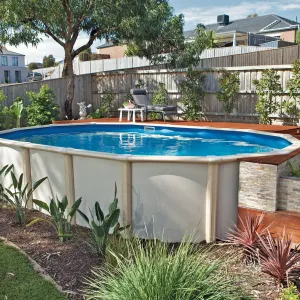
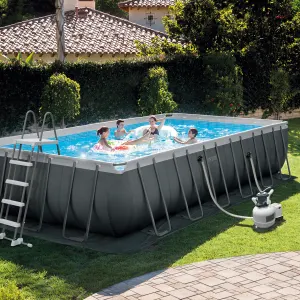
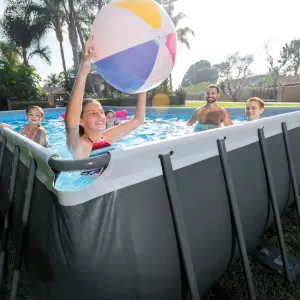
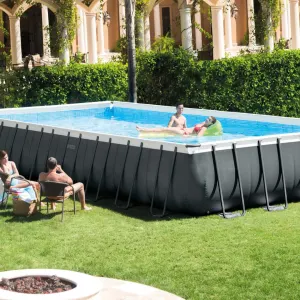
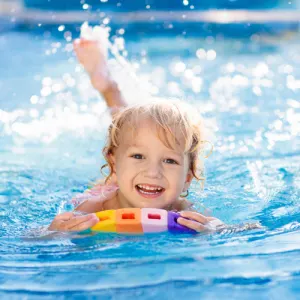
Portable pools are an easy and affordable way to bring fun to your backyard.
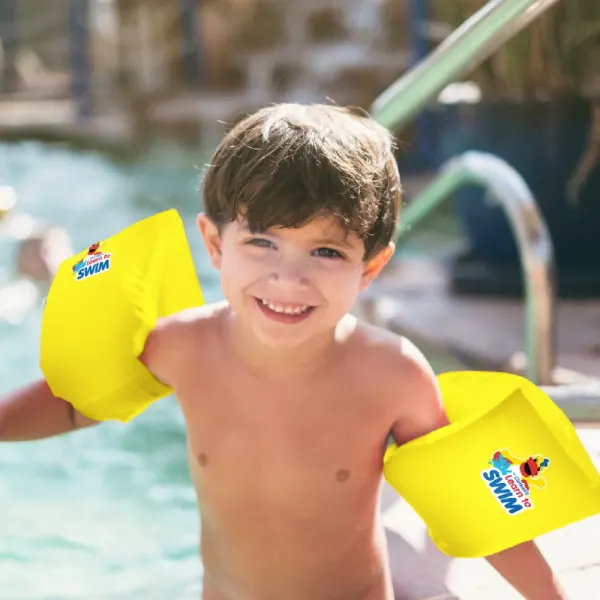
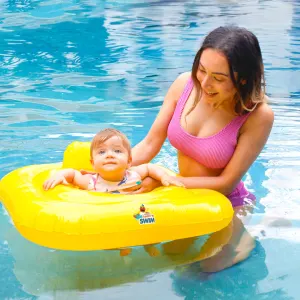
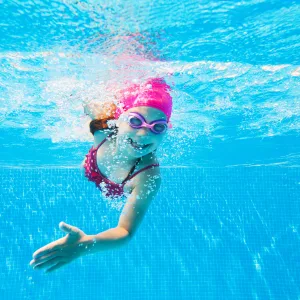
Discover the Learn to Swim range, designed to introduce children to the water in a fun and enjoyable way.

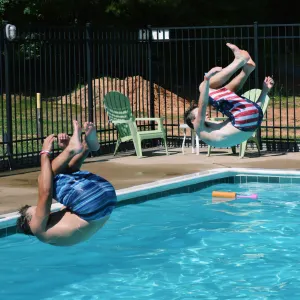
Swimply is like Airbnb for pools: rent one out for a few hours of fun or a special event.
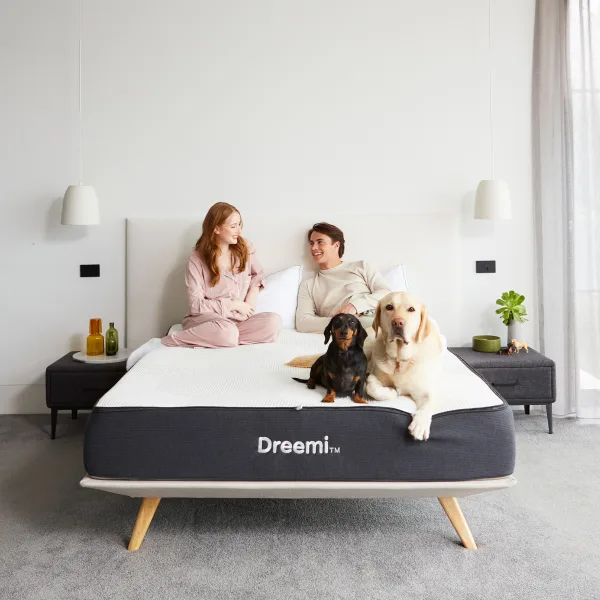
Dreemi mattresses feature five innovative layers designed to deliver optimal comfort for every type of sleeper.
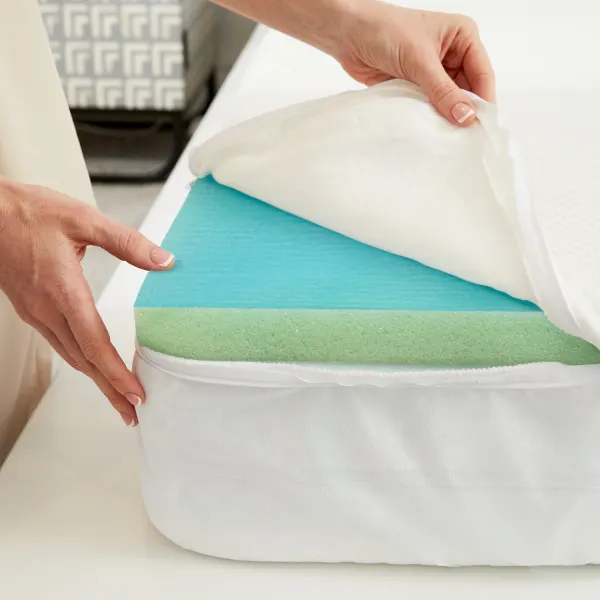
Upgrade your sleep without a whole new mattress with our premium toppers.

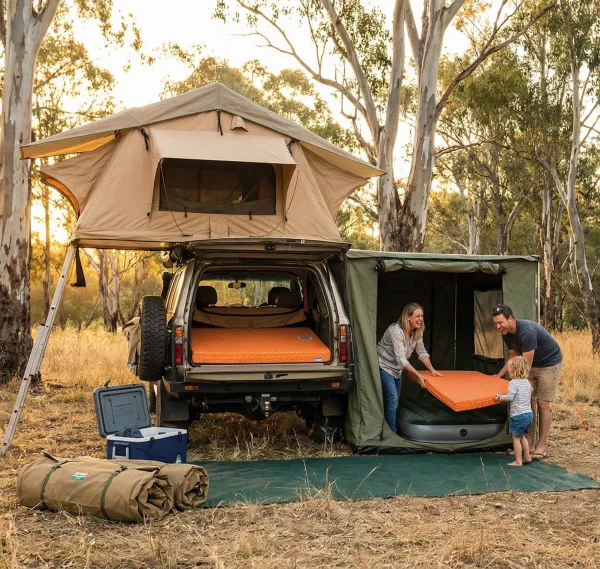
Caravan, campervan, camper trailer, or boat - we can tailor make a mattress to your specifications.

From lounges, chairs, cushions and daybeds, to soundproofing and packaging, Clark Rubber can custom cut foam for exactly what you need.
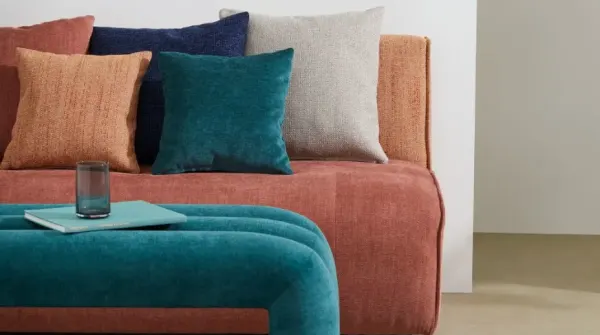
Custom create your dream cushions in 3 easy steps: Fabric, Foam & Finish.
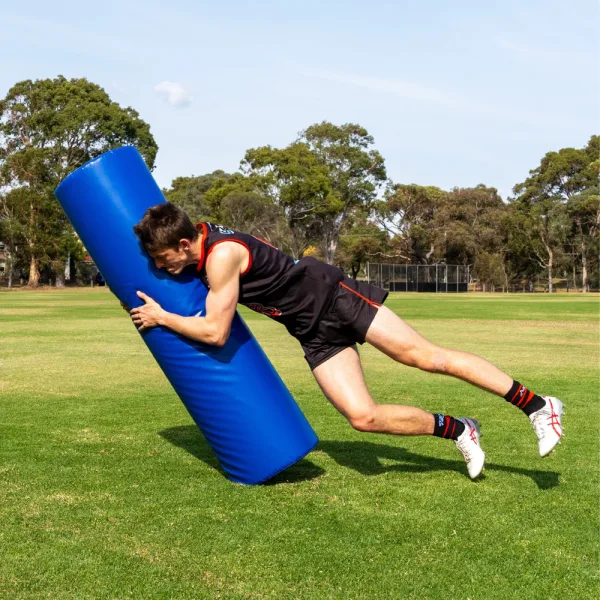
Add your team's logo to our foam sports equipment. Available in 4 colours and multiple sizes; perfect for any team.
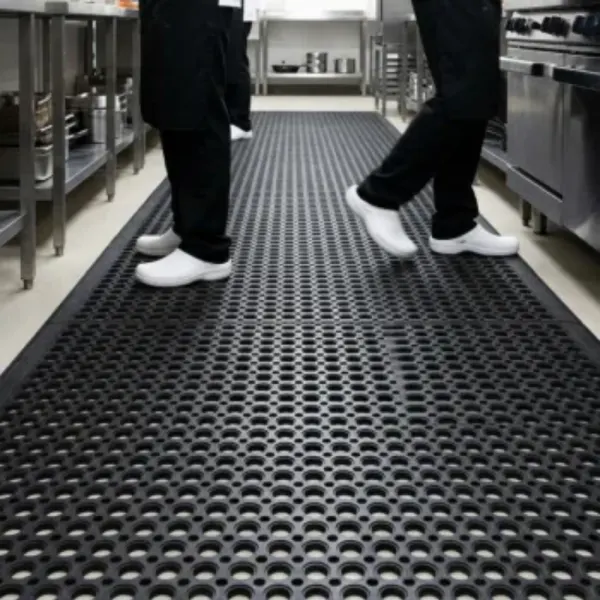
From entrance mats to anti-fatigue, carpet, and custom logo mats, we’ve got the perfect solution for every space.
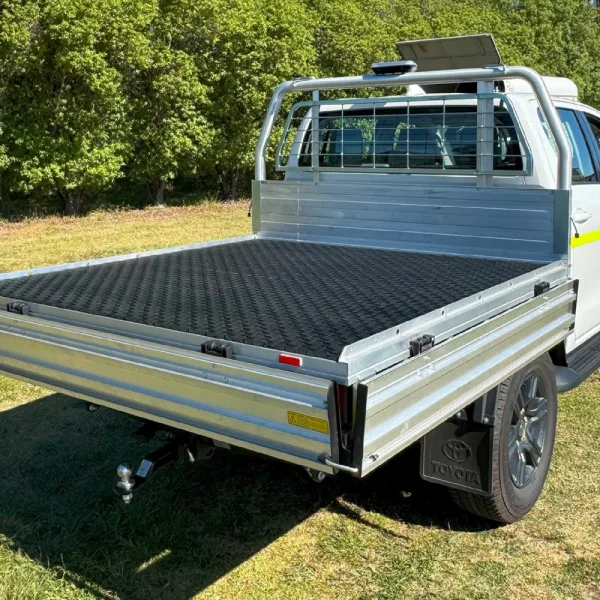
Ute matting provides durable protection for your vehicle tray, helping prevent damage from heavy loads and everyday wear.
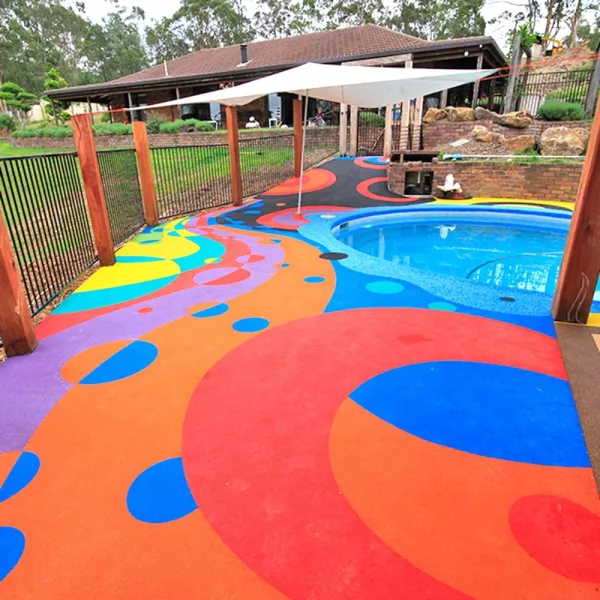
From playgrounds to pathways, garden paths to pool surrounds, Wet Pour Rubber can be formed to any shape.
Custom create your dream cushions in 3 easy steps: Choose your fabric, choose your foam & choose your finish.
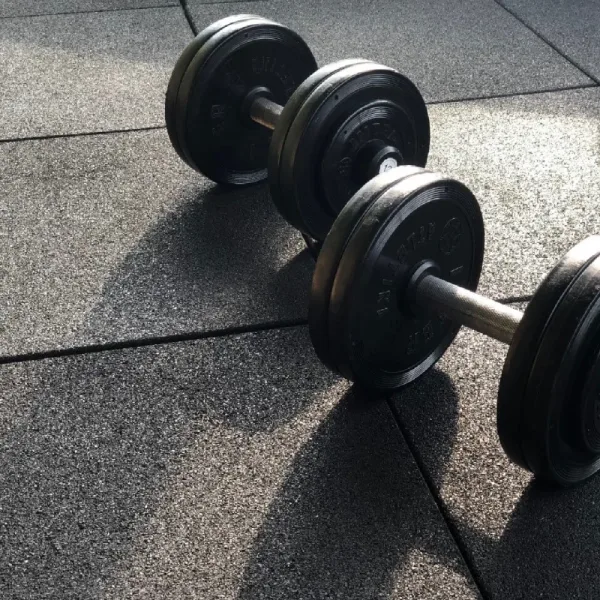
Create a safer, more comfortable workout space with durable gym mat flooring.
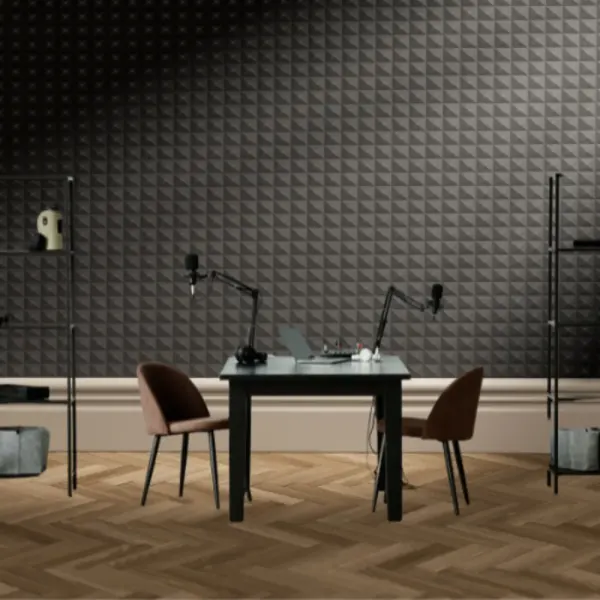
Read our step-by-step guide on how to set up a podcast space using our acoustic foam.
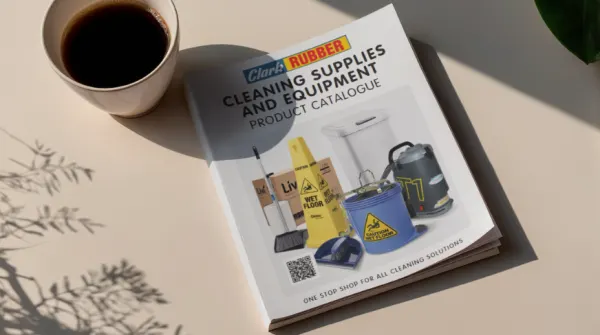
Find the right cleaning products for your business with our easy-to-follow guide.
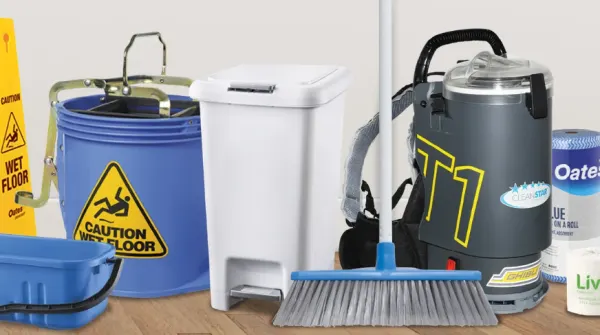
Sign up for a Business Account with us to easily access your invoices, order history, and apply for a credit account.
We offer a great range of services to look after your pool and keep it crystal clear all-year-round.
Bring a sample of your pool water into store in a clean bottle and our team will test it for several key factors.
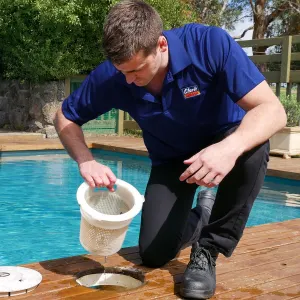
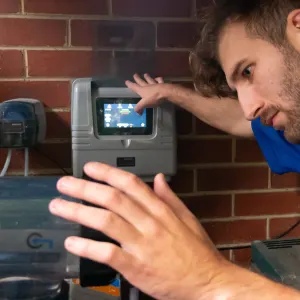
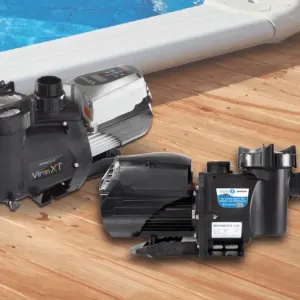
Keep your pool running smoothly and your water crystal clear with a professional equipment check.
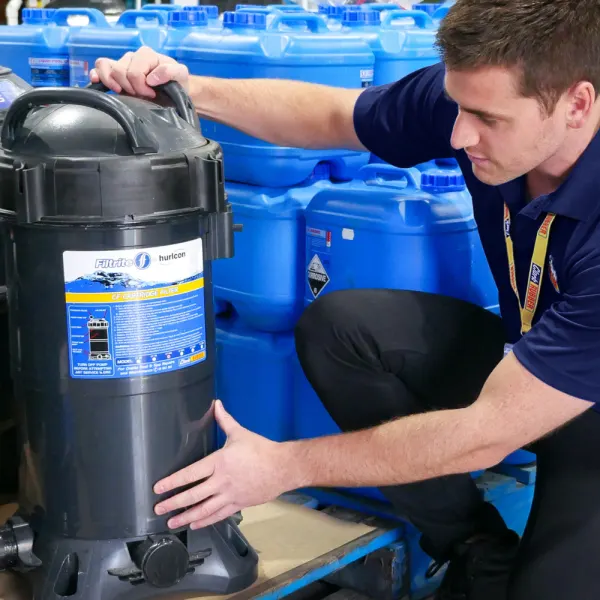
Our experienced technicians can repair your equipment or recommend the right replacement for your pool.
With our spa experts, it’s easy to keep your spa clean, in good working order, and always ready to relax in.
Bring a sample of your spa water into store in a clean bottle and our team will test it for several key factors.
Custom create your dream cushions in 3 easy steps: Choose your fabric, choose your foam & choose your finish.
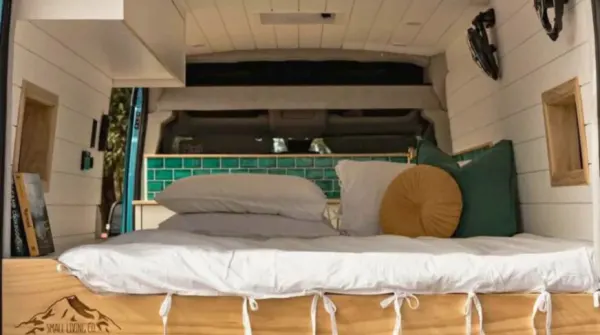
Caravan, campervan, camper trailer, or boat - we can tailor make a mattress to your specifications.
Add your team's logo to our custom branded foam sports equipment. Available in 4 colours and multiple sizes.
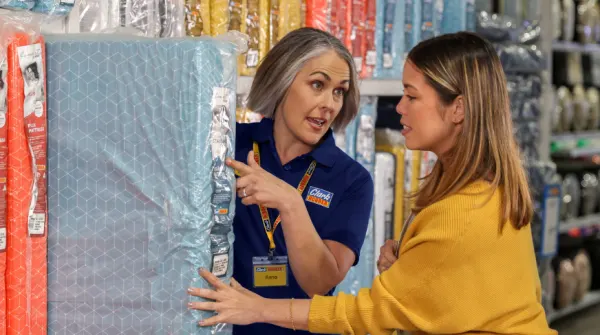
Need a mattress trimmed to size? Buy any of our Comfort mattresses in-store and we can cut it the exact size you need.
From lounges, chairs, cushions and daybeds, to soundproofing and packaging, Clark Rubber can custom cut foam for exactly what you need.
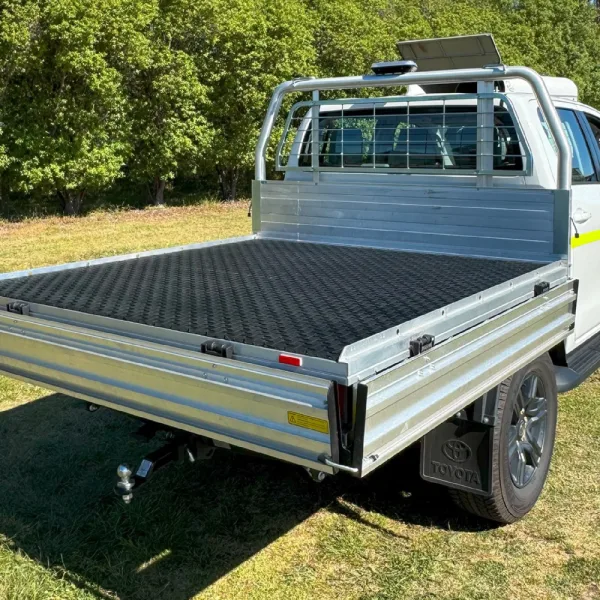
Get the perfect fit every time with our cut-to-length flooring and matting, tailored to suit your space and needs.
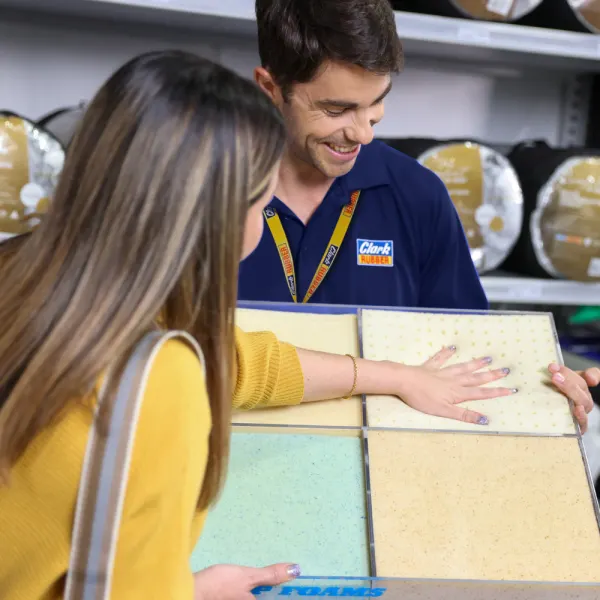
Find a store near you to see our products in person, or ask our expert staff for advice on anything pools, foam, rubber, or cleaning.
Our Superstores have everything you need to keep your pool or spa in top condition so you can enjoy it for longer.
Swimply is like Airbnb for pools: rent one out for a few hours of fun or a special event.
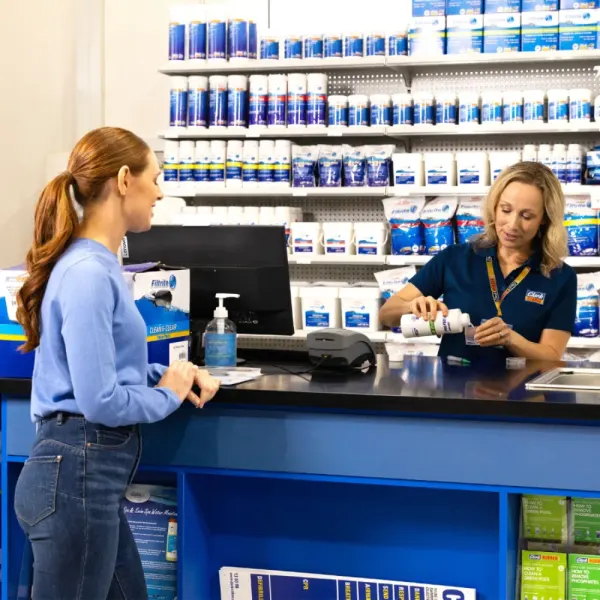
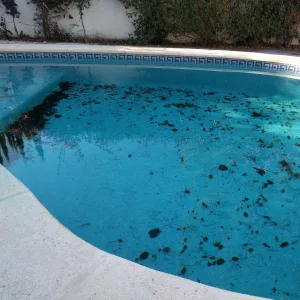
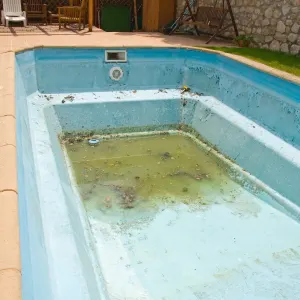
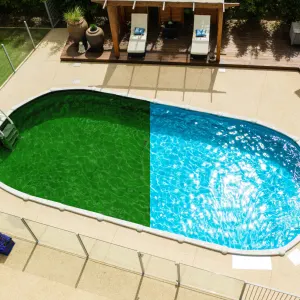
Is your pool green, cloudy, and unusable? The good news is it can be fixed quickly with the right steps.

With the right setup, you can build a practical, effective home gym that supports everything from quick workouts to full training sessions.
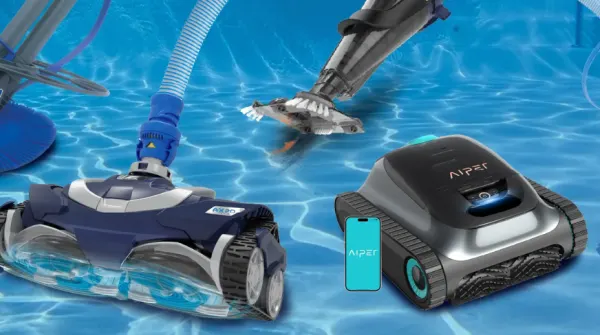
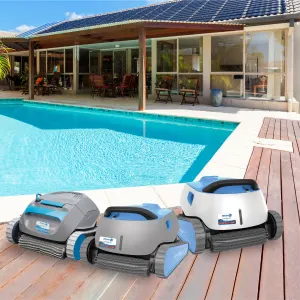
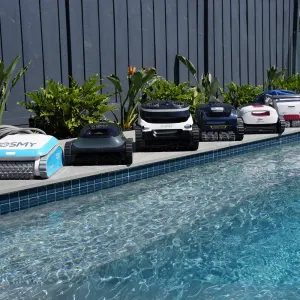
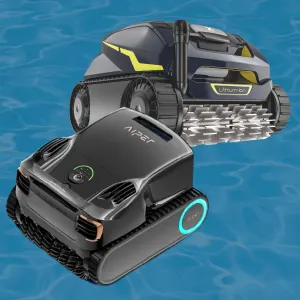
How to choose a pool cleaner to keep your water clean and inviting all year round.
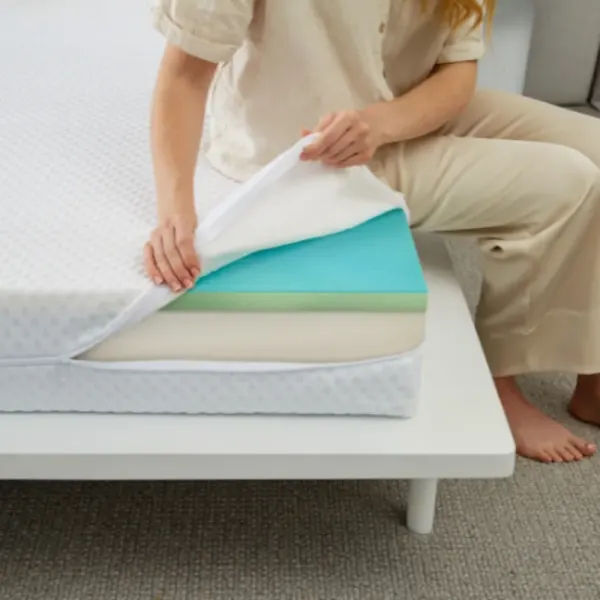
Say goodbye to tossing and turning at night. Clark Rubber’s brand-new Comfort Platinum Cool Max offering is here to redefine how Australians sleep.
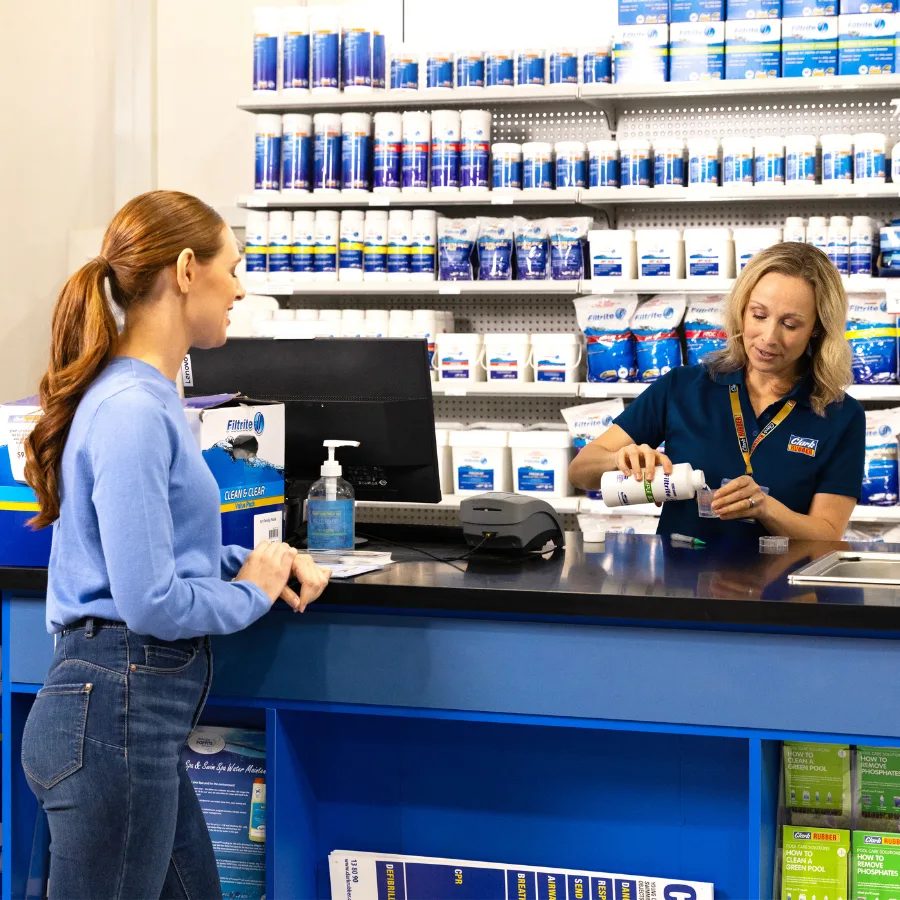
Is your pool green, cloudy, and unusable? A green pool is a common problem for Australian pool owners - but the good news is it can be fixed quickly with the right steps.
Read on for our advice on the causes behind green pools, as well as how to clean them and prevent this from happening again.
If your pool looks green, it is usually because you have a green algae spread.
Green algae is the primary cause of this issue and typically develops due to incorrect water balance, excess phosphates, poor filtration, or prolonged exposure to heat and sunlight.
When this occurs, your pool starts to get green and cloudy, the filter requires more frequent cleaning, and the walls or floor can begin to stain.
Step one: Before adding any chemicals, have your pool water professionally tested at your local Clark Rubber store.
Step two: Remove all excess leaves and debris from pool. Brush walls, floor and steps thoroughly to loosen algae so chemicals can work more effectively. For cartridge filters remove cartridge and reseal filter.
Step three: Ensure your pH level is between 7.4 and 7.6, as chlorine is most effective at killing algae within this range.
Use Filtrite pH Down or Filtrite Pool Acid to lower pH, or Filtrite pH Up if pH levels need increasing.
Run your filter on circulate for two hours - you may also need to remove cartridge filters.
Step four: Add Filtrite Extreme Algaecide at 2.5 litres per 50,000 litres of pool wate in your pool. Make sure it goes all throughout the pool, then put your filter on circulate for two hours again. Remove cartridges if necessary.
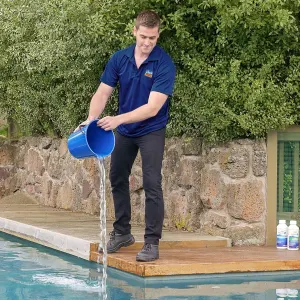
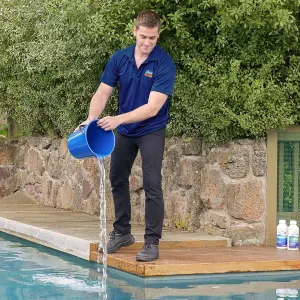
Step five: Add Filtrite Trichlor Granular Chlorine Pool Chlorine at 500gm per 25,000 litres. Premix in bucket of water until dissolved and distribute evenly throughout pool. Alternatively, add 1 litre of Filtrite Liquid Chlorine per 1,000 litres of pool water. Run filter for 24 hours on recirculate.
Step six: Your water should turn a milky or cloudy white colour, which indicates the algae has been killed and is ready to be removed through filtration and vacuuming. If this doesn’t happen repeat steps three and four. Repeat the filter circulation for 48 hours. If there is no change to the water, bring in a sample of your water to be professionally analysed.
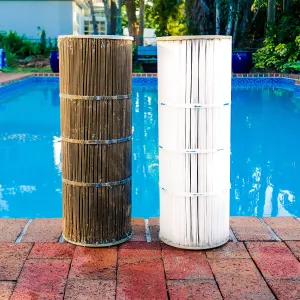
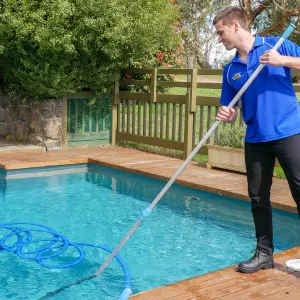
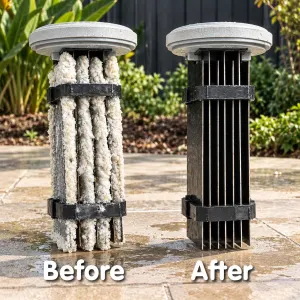
Step seven: Vacuum the sediment from the floor of the pool, then backwash your filter or use Filtrite Cartridge Cleaner, depending on your filtration system.
Step eight: Add Filtrite Algygone at 1 litre per 50,000 litres pool water to help prevent future algae growth. Use Filtrite Phosphate Eliminator to reduce nutrient level, test water for required dose.
If the pool has not cleared within 48 hours, flocculant may be required to bind fine particles together so they can be vacuumed more easily. Use Filtrire Super Floc as per the instructions on the bottle or return water sample to a Clark Rubber store.
Maintaining balanced pool water is the most effective way to prevent your pool from turning green.
A water test can help you determine which pool products you need to keep your pool water balanced.
You can also use a long-life algaecide from the outset to ensure algae blooms do not take hold in your pool. Talk to the experts at Clark Rubber to find out which algaecide is best suited to your pool.
For expert help cleaning a green pool, visit your nearest Clark Rubber store for a free water test or book our Onsite Pool Care service to have it handled for you.